
Dental Articles - Oakville
Root Canal Emergency: 5 Signs Your Tooth Infection Can’t Wait
Posted by SmileVille Dentistry on Fri, 22 May 2026
Learn the 5 key signs of a root canal emergency, including severe tooth pain, swelling, sensitivity, fever, and discoloration. Get urgent care before infection spreads.

Tooth pain has a way of demanding your full attention. What may start as a dull ache or mild sensitivity can quickly turn into severe, throbbing pain that affects your ability to eat, sleep, or focus throughout the day. Unfortunately, many people assume the discomfort will eventually go away on its own. However, when it comes to tooth infections, waiting can put both your oral health and overall health at serious risk.
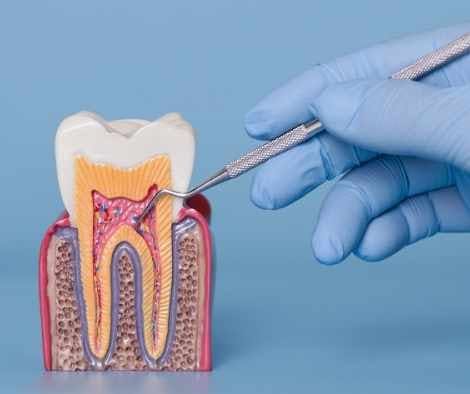
A tooth infection typically begins when bacteria penetrate the protective enamel layer through deep decay, a crack, or dental trauma. Once the bacteria reach the pulp—the soft inner tissue containing nerves and blood vessels—inflammation and infection can develop rapidly. If left untreated, this can lead to a painful dental abscess and even allow the infection to spread beyond the tooth.
According to the Canadian Dental Association (CDA), untreated dental infections can eventually result in tooth loss and, in severe cases, dangerous systemic infections. The good news is that early treatment can often save the tooth and relieve pain quickly.
Here are five warning signs that your tooth infection has officially become a root canal emergency.
1. Persistent, Throbbing Pain That Radiates
One of the clearest signs of an emergency tooth infection is constant, severe pain that does not go away even after taking over-the-counter pain medication.
Unlike the temporary discomfort caused by a small cavity, an infected tooth creates pressure deep inside the root canal system. As the infection worsens, the pain may begin radiating through the jaw, into the ear, or even up toward the cheek and temple area.
This type of throbbing pain is your body’s signal that the nerve inside the tooth is severely inflamed or infected. Delaying treatment only increases the risk of permanent damage and spreading infection.

2. Extreme or Lingering Sensitivity to Hot and Cold
Do you feel a sharp jolt of pain when sipping hot coffee or drinking cold water? More importantly, does the pain linger long after the temperature exposure is gone?
Persistent temperature sensitivity is often a major red flag that decay has reached the deeper layers of the tooth and affected the nerve tissue. According to the Ontario Dental Association (ODA), lingering pain after exposure to hot or cold temperatures can indicate irreversible pulp damage.
Healthy teeth may react briefly to temperature changes, but pain that lasts for several seconds—or even minutes— suggests the nerve is in serious trouble and may require emergency root canal treatment.

3. Visible Swelling of the Gums, Jaw, or Lymph Nodes
Swelling is never a symptom to ignore.
If you notice swollen gums near a painful tooth, puffiness along the jawline, facial swelling, or tender lymph nodes beneath the jaw, the infection may have spread beyond the tooth root and into the surrounding tissues.
This often indicates the presence of a dental abscess, a pocket of pus caused by bacterial infection. Abscesses can become increasingly dangerous if they are not treated promptly. In some cases, swelling may even interfere with swallowing or breathing, which requires immediate emergency care.
Prompt dental treatment can drain the infection, relieve pressure, and prevent more serious complications.
4. A Fever and Flu-Like Symptoms
A tooth infection doesn’t always stay confined to your mouth. When the body begins fighting an advanced infection, systemic symptoms can appear.
If you develop a fever, chills, fatigue, or a general feeling of illness without typical cold or flu symptoms, your body may be responding to a spreading dental infection.
This is a serious warning sign. A fever indicates your immune system is actively battling bacteria that may be attempting to move into the bloodstream or surrounding tissues.
At this stage, emergency dental care is essential to stop the infection before it progresses further.

5. Distinct Tooth Discoloration (A “Dead” Tooth)
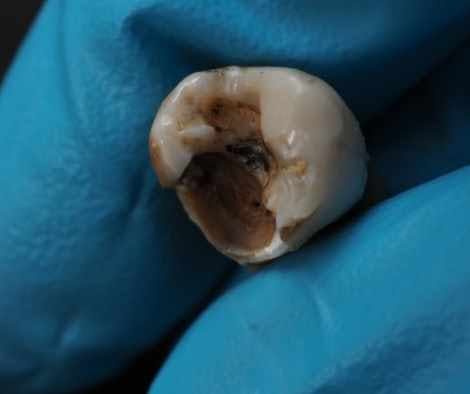
Not all tooth discoloration is caused by coffee, tea, or wine. When a single tooth suddenly turns grey, dark yellow, or brown compared to the surrounding teeth, it may indicate that the tooth’s internal nerve tissue is dying.
This colour change occurs when the blood supply inside the tooth has been compromised due to infection or trauma. As the pulp tissue breaks down, the tooth can darken from the inside out.
A discoloured tooth combined with pain or swelling is often a strong indication that root canal therapy is needed to remove the infection and preserve the remaining tooth structure.
Simple Tips to Prevent a Dental Abscess
- Ditch the Sugar: Sugary foods and beverages fuel plaque-producing bacteria that weaken enamel and create the perfect environment for decay.
- Never Skip Dental Checkups: Routine exams and dental x-rays allow your dentist to detect hidden cracks, deep decay, and early infection.
- Upgrade Your Oral Hygiene Routine: Brushing and flossing twice daily is essential, but antimicrobial mouth rinse can help reduce bacteria.
- Replace Your Toothbrush Regularly: Worn bristles are less effective at removing plaque. Replace every 3–4 months.
Root Canals Relieve Pain — They Don’t Cause It
Many people still believe root canals are painful procedures, but modern root canal therapy is designed to eliminate pain, not create it. In fact, the treatment removes the infected tissue causing the discomfort and helps save your natural tooth whenever possible.
The most important thing to remember is this: a tooth infection will not heal on its own. Waiting too long can lead to worsening pain, more extensive treatment, and serious health complications.
If you are experiencing any of these warning signs, the team at SmileVille Dentistry is here to help. Contact our office immediately to schedule an emergency dental appointment and protect your smile and overall health.
Dentist Oakville
